
GATE Expo 2026: 7 Automotive Technology Trends Shaping the Future of Mobility

The automotive industry is undergoing one of its biggest transformations yet. From electric vehicles and artificial intelligence to connected systems and smart manufacturing, technology is changing how vehicles are built, maintained and experienced.
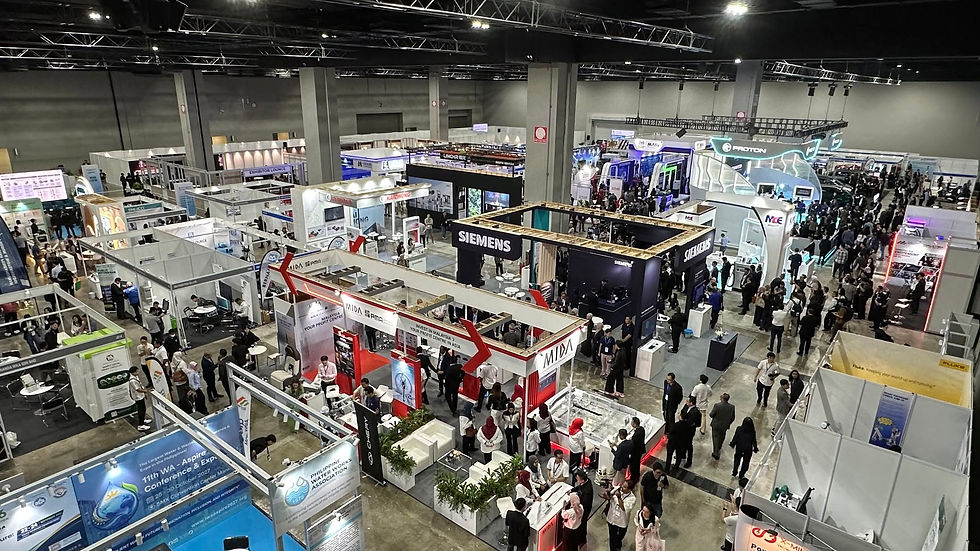
At GATE Expo 2026, held from 26–28 August 2026 at MITEC, Kuala Lumpur, these developments were brought together under one platform, highlighting the latest Automotive Technology Trends shaping Malaysia and the wider ASEAN automotive industry.
For Tech Apps, the event offered an opportunity to connect with industry professionals, understand emerging market needs and explore how technology can support automotive businesses through this period of transformation.
Here are seven key trends that stood out at GATE Expo 2026.

1. EVs Are Expanding Beyond the Vehicle
Electric vehicles continue to be one of the biggest trends in the automotive industry. However, the conversation around EVs is no longer limited to the vehicle itself.
The wider EV ecosystem is becoming increasingly important, including:
Battery technology
Charging infrastructure
Energy storage
Power electronics
EV servicing and maintenance
Battery management
Recycling and sustainability
This reflects a broader shift in the automotive aftermarket. As more EVs and hybrid vehicles enter the market, workshops, dealerships and service providers will need to adapt their processes and capabilities accordingly.
The future of automotive service will need to support multiple powertrain technologies rather than focusing exclusively on traditional internal combustion engines.

2. Artificial Intelligence Is Moving Further Into Automotive
Artificial intelligence is becoming increasingly integrated into automotive technology.
At GATE Expo 2026, AI was closely connected with areas such as software-defined vehicles, intelligent mobility, diagnostics, manufacturing and automation.
AI has the potential to improve everything from vehicle development and manufacturing to aftersales operations and customer interactions.
For automotive businesses, this creates an important opportunity: using technology not simply to automate tasks, but to make decisions and customer experiences more intelligent.
3. Software-Defined Vehicles Are Changing the Automotive Landscape
One of the most important long-term developments is the rise of the Software-Defined Vehicle (SDV).
Modern vehicles are increasingly dependent on software for functionality, connectivity, diagnostics, safety and user experiences. This means that the automotive industry is gradually moving from a vehicle-centric model towards a combination of hardware, software and data.
This shift also affects the aftermarket.
Dealerships and workshops will increasingly need digital systems capable of working alongside connected vehicles and increasingly sophisticated diagnostic technologies.
The result is a growing need for automotive businesses to embrace digitalisation across the entire vehicle lifecycle.
4. Smart Manufacturing Is Becoming the New Standard
The factory of the future is increasingly connected.
Automation, robotics, IoT, artificial intelligence and data analytics are helping manufacturers improve efficiency, quality control and production processes.
This represents the broader development of Industry 4.0, where physical manufacturing processes are connected to digital systems.
For Malaysia, this is particularly significant as the country continues to strengthen its position within the regional automotive manufacturing ecosystem.
As manufacturing becomes more digital, the need for skilled people, connected systems and technology-enabled processes will continue to grow.
5. ASEAN Collaboration Is Becoming Increasingly Important
Another key theme at GATE Expo 2026 was the importance of the ASEAN automotive ecosystem.
Malaysia is positioned within a rapidly developing regional market, with automotive businesses increasingly looking beyond individual countries for suppliers, technology partners and new opportunities.
Stronger ASEAN collaboration can support:
Regional supply chains
Localisation
Technology transfer
Manufacturing capabilities
Automotive innovation
Cross-border partnerships
For technology companies, this creates opportunities to develop solutions that can be scaled across multiple markets rather than being designed for only one country.
6. The Automotive Aftermarket Is Becoming More Digital
Technology is not only changing how cars are manufactured. It is also transforming what happens after a vehicle enters the workshop.
The traditional service experience is becoming increasingly digital.
Instead of simply receiving a verbal explanation from a service advisor, customers can now expect clearer information, digital communication, visual evidence and greater transparency throughout the repair process.
This is where solutions such as digital vehicle inspections, workshop videos, customer communication platforms and automated workflows can make a significant difference.
For dealerships, digitalisation can help create a more transparent customer journey while supporting opportunities to increase customer trust, repair authorisation and retention.
7. The Future Is Multi-Powertrain, Not EV-Only
While EVs received significant attention, GATE Expo 2026 also highlighted the continued relevance of hybrid and internal combustion technologies.
The transition is not happening overnight.
For markets such as Malaysia and across ASEAN, the automotive landscape is likely to remain a mix of:
ICE → Hybrid → EV
This means automotive businesses need to prepare for a diverse vehicle population.
Workshops, dealerships and technology providers will need flexible solutions that can support customers regardless of their vehicle's powertrain.
Key Takeaways from the Automotive Technology Trends at GATE Expo 2026
The key takeaway from GATE Expo 2026 is that automotive transformation is not being driven by a single technology.
It is the combination of EVs, AI, software, connectivity, automation and data that is reshaping the industry.
For dealerships and workshops, digitalisation presents an opportunity to improve more than operational efficiency. It can also help businesses create a more transparent, connected and customer-focused experience.
The question is no longer whether the automotive industry will become more digital.
It is how quickly businesses can adapt.
Supporting the Automotive Technology Trends at GATE Expo 2026
At Tech Apps, we believe technology should solve real challenges faced by automotive businesses.
From improving communication between workshops and customers to supporting digital inspections and automotive operations, our solutions are designed to help businesses work more efficiently while creating better customer experiences.
As the automotive industry continues to evolve, the businesses that successfully combine technology, people and customer experience will be best positioned for what comes next.
GATE Expo 2026 offered a glimpse of that future and one thing is clear: the automotive industry is becoming more connected, intelligent and digital than ever before.
Tech Apps is ready to be part of that transformation.


Comments